
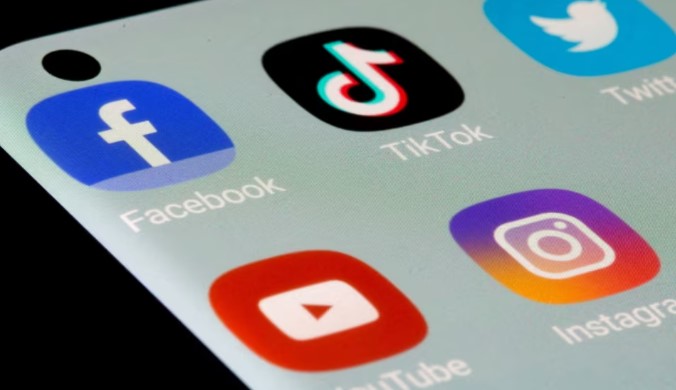
Meta’s historic $18 billion (Rp 321 trillion) settlement to resolve a federal lawsuit comes with an unusual condition: its main competitors, TikTok and YouTube, must agree to implement the same safety changes on their own apps before Mark Zuckerberg is willing to pay the full amount of the settlement.
How the Payment Structure Works
Under the terms of the deal, Meta is initially only responsible for 70% of the payment, roughly $12.7 billion. The remaining 30%, totaling $5.3 billion, will only be released if TikTok and YouTube collectively pay a total of $5.3 billion and agree to implement the same set of changes, including daily usage limits for teens, a nighttime mode that blocks access during sleeping hours, and age verification.
Meta even publicly challenged its rivals in an open letter. “These protections will only be truly effective if we work together with our peers, TikTok and YouTube, to implement the same measures,” the company stated, as quoted by TechPedia, citing The New York Times.
Both TikTok, which recently reached a separate $400 million settlement with the US Department of Justice over a child privacy lawsuit, and YouTube have so far remained silent in response to Meta’s call to action.
A Settlement Born From a High-Profile Lawsuit
This $18 billion settlement was announced just days after the start of a landmark trial filed by a coalition of state attorneys general. They accused Meta of deliberately making children addicted to social media and ignoring harms such as anxiety, depression, and even suicide, all in pursuit of corporate profit.
Not Everyone Is Fully Satisfied
While the terms of the settlement have been widely praised, some child rights advocates still take issue with several details, including the condition tying the release of the $5.3 billion, the lack of firm action addressing recommendation algorithms, and the fact that the deal will expire after 10 years.
“The fact that Meta doesn’t have to pay the full penalty unless its competitors follow suit only underscores that this settlement is nowhere near enough to create a safer, less addictive internet,” said Josh Golin, Executive Director of Fairplay.
“These families can’t afford to wait for lengthy, resource-draining litigation against every social media company to play out,” he added.
Pressure Mounts on Other Platforms
Meanwhile, several state attorneys general are now ramping up pressure on Meta’s social media rivals to quickly follow suit in implementing these safety changes.
“To TikTok, YouTube, and Snapchat: our expectations are very clear. You’re next,” said Connecticut Attorney General William Tong.